
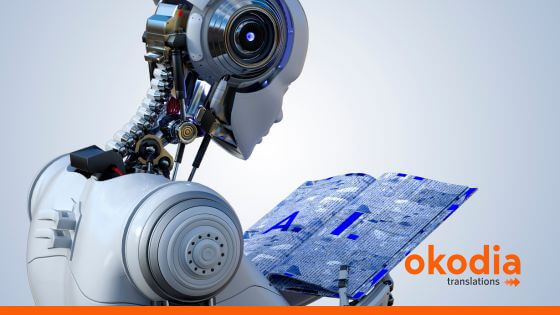
Artificial intelligence has radically transformed the translation sector. Tools based on advanced language models allow large volumes of text to be translated in a matter of seconds, something that was unimaginable only a few years ago. For many businesses, this technological evolution raises an inevitable question: if AI can translate so quickly and cheaply, do we still need to work with a translation agency?
The reality is more complex. Although artificial intelligence has greatly improved the fluency and accuracy of machine translations, there are still many situations where human intervention is essential.
What AI can do well in translation
Today’s machine translation tools use neural networks capable of analysing huge amounts of linguistic data. This means that they can produce fairly natural-sounding texts in many contexts, especially when it comes to general or repetitive content.
For certain business uses, AI can be very useful. For example, to quickly understand documents in other languages, translate internal notifications or generate first drafts of content. In these cases, the speed and low cost of the technology can offer a clear advantage.
Many companies even integrate automatic translation engines into their workflows to speed up these processes. However, these tools still have significant limitations when the task requires accuracy, consistency in the terminology or legal responsibility.
When a translation agency is essential
In the legal, medical, technological or financial sectors, among others, an error in a translation can have serious consequences. Misinterpreted contracts, confusing technical documentation or incorrect instructions can cause financial losses, regulatory problems or reputational damage.
In these scenarios, a translation agency London brings something that technology cannot guarantee by itself: expert knowledge of the context. Professional translators do not just translate words from one language to another. They also interpret cultural nuances, sector-specific terminology and legal or technical structures specific to the field.
In addition, a professional translation company applies quality control processes that include review, correction and terminological validation. This type of quality control reduces the risk of errors and ensures that the final text is accurate, consistent and fit for purpose.
The value of human knowledge
Professional translation is not just about reproducing the literal meaning of a text. In many cases, it involves adapting the message to a specific audience, respecting the brand tone or ensuring that the content works in a different cultural context.
Artificial intelligence still struggles to grasp irony, double meanings or complex cultural references. It can also make mistakes when the text contains ambiguous elements or specialised information.
That is why many companies still entrust their work to a translation agency UK for critical projects such as international marketing campaigns, legal documentation, or high-impact corporate content.
What is the future of translation?
The debate between artificial intelligence and professional translation should not be seen as one of direct competition. In reality, the future of the sector seems to point towards hybrid models, where technology and human experts collaborate.
AI tools can speed up certain parts of the process, while professional translators are in charge of reviewing, adapting and ensuring the final quality of the content. This approach allows technological efficiency to be combined with specialised linguistic knowledge.
For many international companies, working with a translation agency that combines advanced technology with human expertise is the safest way to guarantee reliable translations adapted to each market.
So artificial intelligence may have changed the way that translations are produced, but it has not eliminated the need for experts. When precision, reputation or regulatory compliance are at stake, working with a translation company remains a strategic decision for any company operating in a global environment.